Voices. Part 2
A better example of Leadership
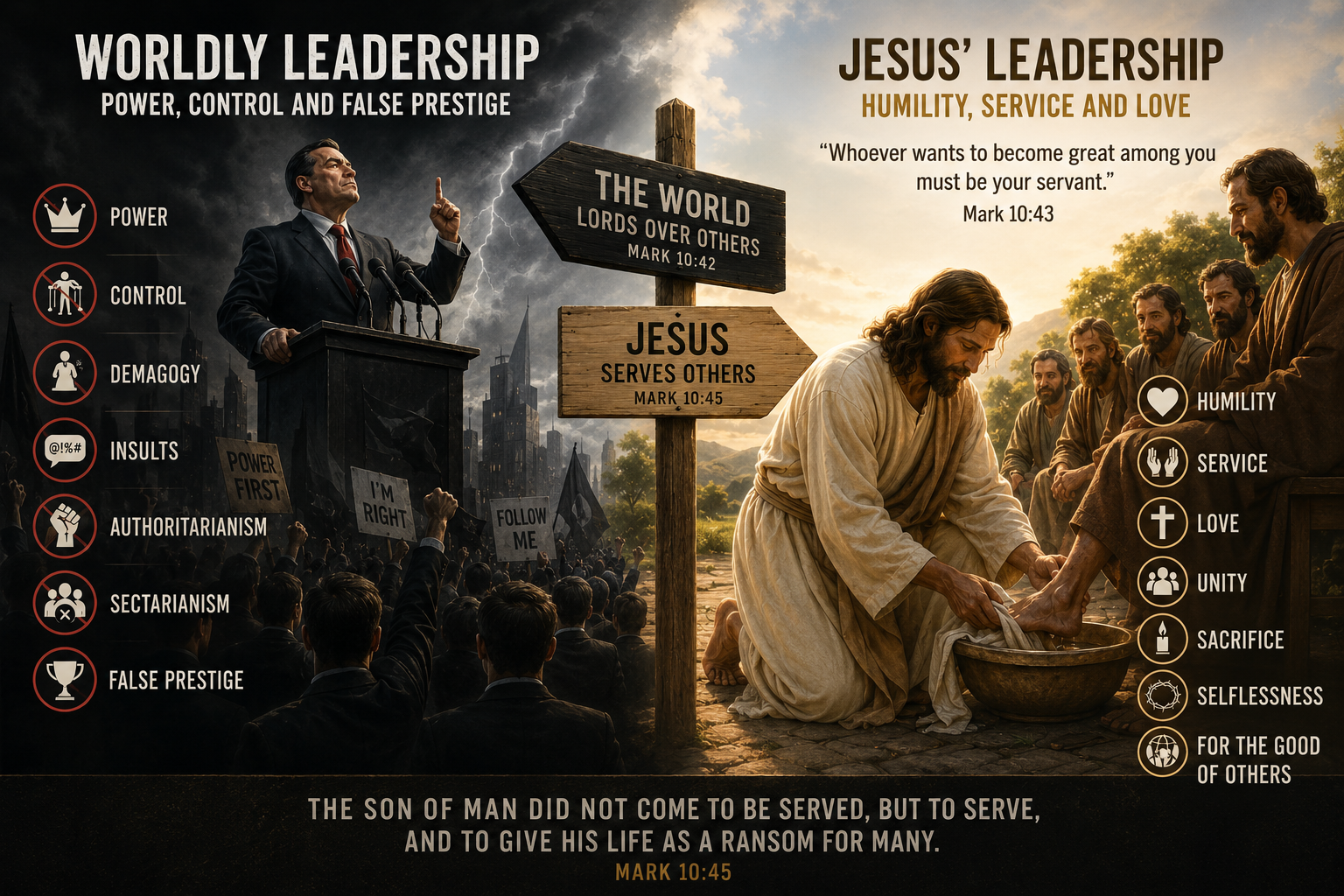
The Bible presents a model of manhood and fatherhood that is very different from what much of today's culture promotes. While the world often associates leadership with power, control, demagoguery, insults, authoritarianism, sectarianism, or false prestige, Jesus Christ taught that true greatness is found in humility and service. He declared, “Whoever wants to become great among you must be your servant” (Mark 10:43). Jesus Himself did not come to be served, but to serve and to give His life for others.
This model transforms the way a father exercises leadership in the home. A Christian father does not lead through force or fear, but through love, guidance, attentive listening, and sacrificial service to his family.
For this reason, the Apostle Paul exhorts: “Fathers, do not provoke your children to anger, but bring them up in the discipline and instruction of the Lord” (Ephesians 6:4). Likewise, Colossians 3:21 adds: “Fathers, do not embitter your children, or they will become discouraged.” Biblical authority must never be confused with authoritarianism; rather, it should reflect the character of Christ—full of truth, grace, and love, yet also firm and just.
Leadership is influence.
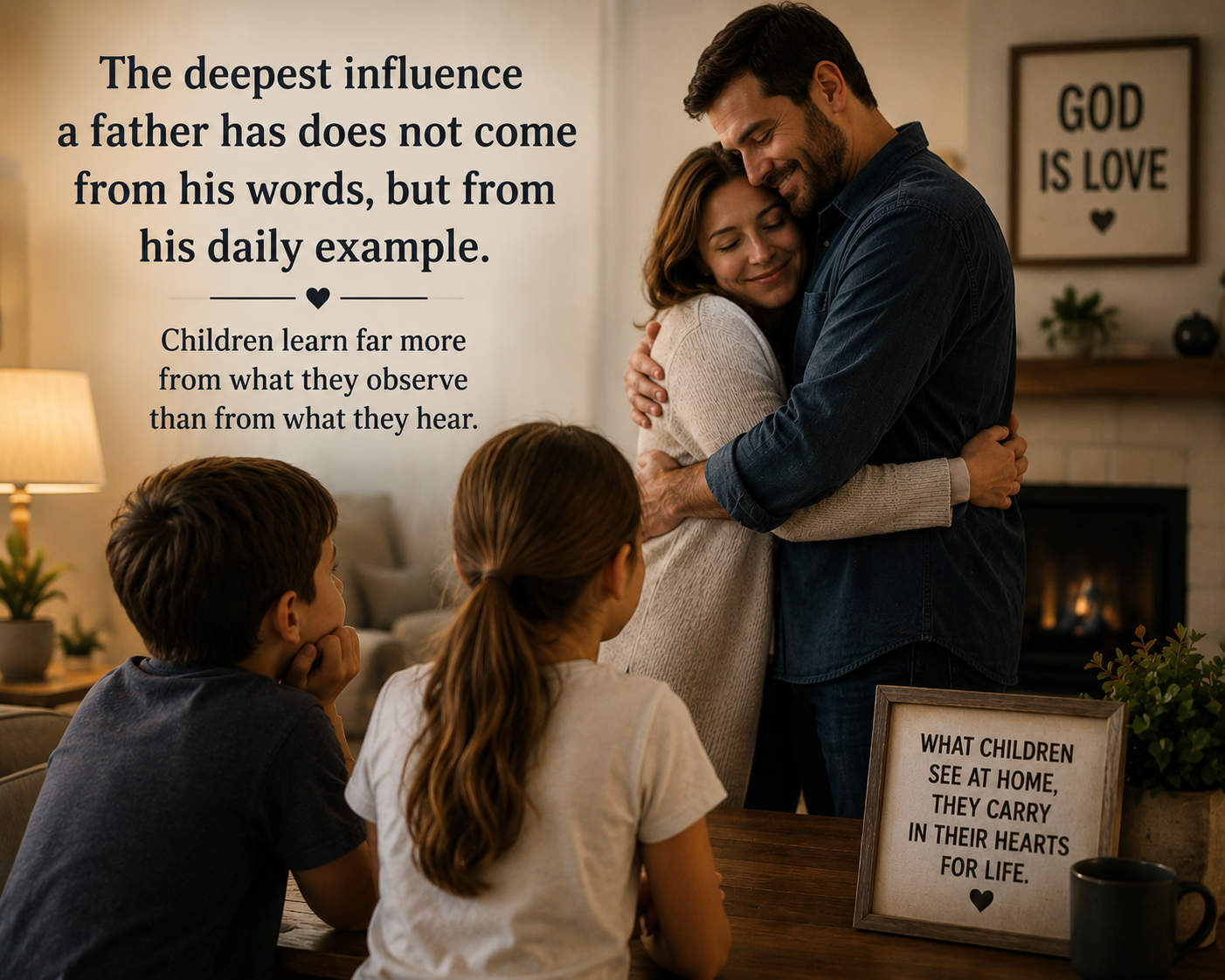
A father's deepest influence does not come from his words but from his daily example. Children learn far more from what they observe than from what they hear. For this reason, Paul could say, “Follow my example, as I follow the example of Christ” (1 Corinthians 11:1). Every believing father should aspire to live in such a way that his children can follow his example as he follows Christ.
That example is revealed in everyday moments: how he responds to stress, how he treats his wife, how he handles conflict, how he deals with failure, how he responds to the distorted leadership models encountered daily in various spheres of life, and how he serves the Lord. A father who acknowledges his mistakes and asks for forgiveness teaches humility. A father who remains steadfast in the midst of trials teaches perseverance. A father who prays with and for his children teaches his children to depend on God. A father who calmly points out the distorted leadership so prevalent in society demonstrates maturity and wisdom. These seemingly simple actions shape the character and worldview of future generations.
The principles of 24:15 emphasize that discipleship begins in the home. The church plays an important role, but it should never be viewed as a replacement for parents' spiritual responsibility. For many years, I have wondered whether the future of fatherhood and the family depends on recovering lessons from the ancient paths. From the Old Testament onward, God entrusted parents with the responsibility of passing on the faith to their children. Deuteronomy 6:6–7 instructs: “These commandments that I give you today are to be on your hearts. Impress them on your children.” The home is the first place where children learn what it means to love, forgive, serve, and follow Christ.
When a father lives out an authentic faith, the Gospel ceases to be merely words and becomes a visible reality. Children learn about love by watching their parents love. They understand forgiveness by seeing their parents forgive. They discover faithfulness by observing a life of consistent obedience to the Lord.
A child’s capacity to imitate is both a gift from God and a tremendous responsibility for parents. Every word, attitude, and action leaves an imprint on a child’s heart. Therefore, the greatest legacy a father can leave is a life that reflects Christ. Do not wait until retirement to say, “I wish I had done this or that with my children.” Future generations are shaped here and now.
Listen: being an example does not mean being perfect. Many men feel inadequate because they are aware of their weaknesses and failures. But God is not looking for perfect fathers; He is looking for present, humble fathers who are committed to growing spiritually. The Bible is filled with imperfect men whom God used because they walked in repentance and dependence upon Him. Children do not need to see a father who never fails; they need to see a father who knows how to acknowledge his faults, ask for forgiveness, and rise again with God’s help.
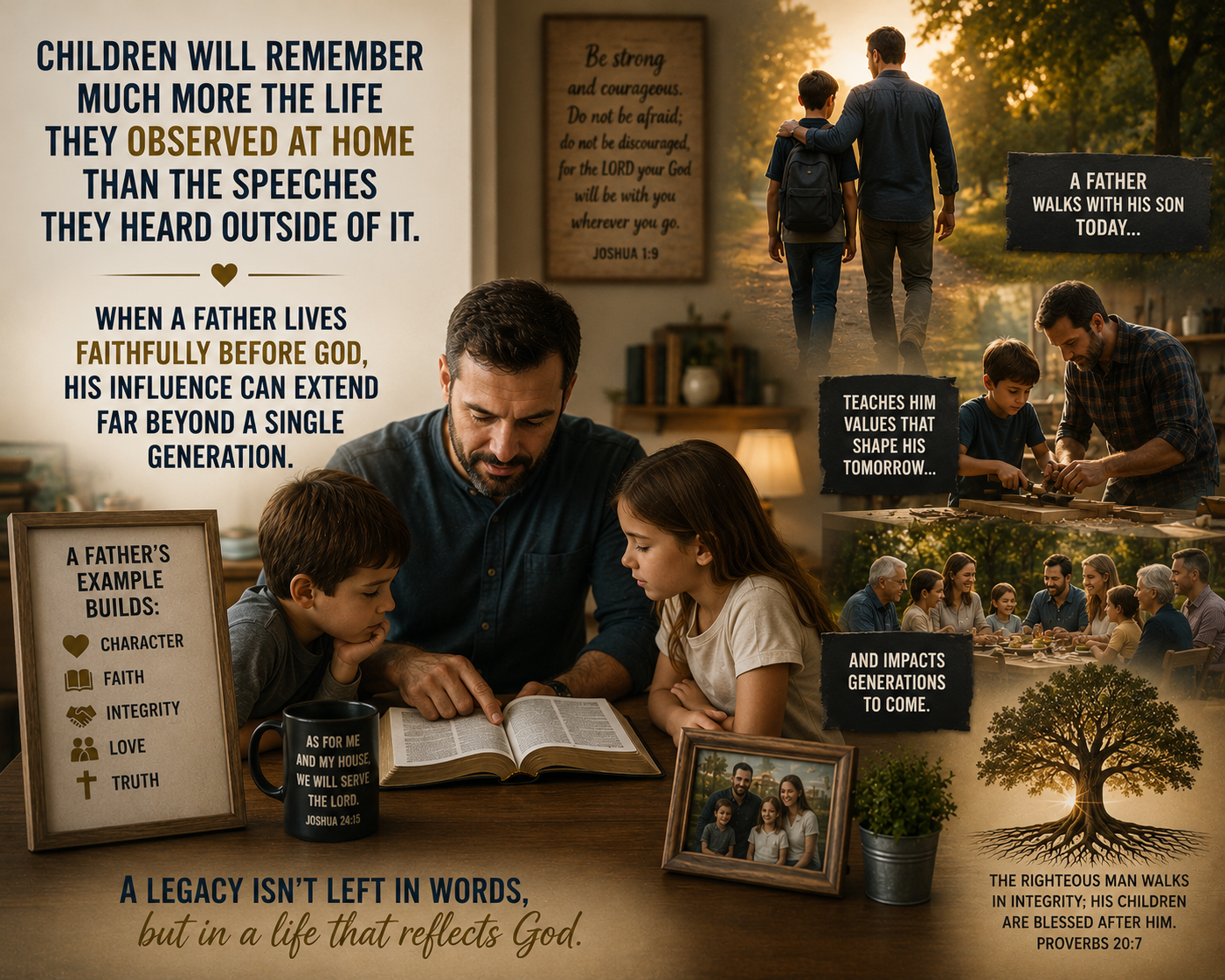
Today’s culture desperately needs men who will once again embrace the biblical calling of fatherhood. Fathers who understand that their greatest legacy will not be a bank account, a successful career, or a public reputation, but the spiritual and emotional formation of their children. Proverbs 20:7 declares, “The righteous man walks in his integrity; blessed are his children after him.”
Beyond a single generation
More than ever, families need men who can say with conviction, “But as for me and my house, we will serve the Lord” (Joshua 24:15). Fathers who lead with love, speak words of life, model humility, courageously identify what is wrong, and teach through their daily example what it means to follow the Lord. In the end, children will remember far more of the life they observed at home than the speeches they heard outside of it. When a father lives faithfully before God, his influence can extend far beyond a single generation.
Dad’s hug!
Let’s meet in the neighborhood with a cup of coffee!
By: Dr. Rafael (Rafy) Gutierrez
Director/Founder: 24:15 Ministry
Copyright 2026.