Living 24:15
Eternal Truths, Real Conversations
Latest Writings from the Ministry
(These blogs are available in devotional or small group study formats. You can request them by emailing rafy@24-15ministry.com. Please indicate the title of the blog.)

“You gave me everything.”
A moving video that recently went viral shows a daughter surprising her father on his fiftieth birthday with a gift accompanied by four simple words: “You gave me everything.” More than the gift itself, her heartfelt message reveals the true legacy of a father—a life marked by love, sacrifice, and faithful presence. The story invites every father to consider what his children will remember when they one day look back on his life. Scripture reminds us that the greatest legacy we leave is not measured by possessions, but by the faith, character, and love we faithfully cultivate in the hearts of our family each day. When a father lives according to God's heart, his influence reaches far beyond his own lifetime, pointing his children to the perfect love of their heavenly Father, revealed through Jesus Christ.

One Unexpected Moment
A simple act of kindness can become a powerful testimony of the gospel. Through the true story of a father who unexpectedly received the support of a stranger while changing his daughter's diaper in a public restroom, this article explores the importance of empathy, servant-hearted leadership, and the encouragement fathers need as they faithfully care for their families. Drawing from Philippians 2:3–4, Galatians 6:2, and Mark 10:45, it demonstrates that true strength is revealed when we place the needs of others above our own and that every genuine act of compassion reflects the character of Christ, who gave His life to reconcile us to God. Ultimately, the article challenges men to stand beside one another, encouraging, protecting, and strengthening fellow fathers, reminding us that the gospel often becomes most visible through ordinary acts of extraordinary love.

As They Were His Own
In a culture increasingly marked by indifference and self-interest, God continues to call fathers to reflect His heart through compassion, empathy, and faithful service. Inspired by the account of a police officer who cared for an infant as though the child were his own, this article explores the biblical principle that genuine love extends beyond one's own family. Drawing from the teachings of Jesus and the example of the Good Samaritan, it reminds fathers that biblical leadership is demonstrated not merely through provision or authority, but through sacrificial care, steadfast commitment, and a willingness to serve others. When fathers mirror the compassion of their Heavenly Father, they strengthen their homes, bless their communities, and leave a lasting legacy of Christlike love that can influence generations to come.

Seasons of Transition
Seasons of transition are often marked by silence, waiting, and uncertainty, yet the letter to Philemon reveals that God may be working precisely in those moments that seem meaningless. Drawing from the experience of Onesimus and examples such as Joseph, Moses, and David, this article shows that the Lord uses times of preparation to shape character before entrusting greater responsibility. Applied to biblical fatherhood, the lesson is clear: God often restores the father’s heart before restoring the family. Delays are not always rejection, pauses do not mean abandonment, and silence does not imply absence. In the language of 24:15, seasons of transition are not a parenthesis in God’s purpose, but the workshop where He forms the fathers their families will need tomorrow.

Powerful and Necessary.
In a generation marked by relational disconnection and the absence of healthy spiritual role models, spiritual fatherhood has become an urgent need for both the church and the family. More than simple mentoring, it involves walking alongside others, modeling authentic faith, and intentionally investing in their growth in Christ, following the example of the apostle Paul. From the perspective of 24:15 Ministry, lasting transformation takes place primarily through relational discipleship and biblical teaching—not by building bigger programs, but by developing more faithful disciples. Spiritual fatherhood reflects the heart of our Heavenly Father, strengthens those who lack guidance, and leaves an eternal legacy by shaping lives for Christ with faithfulness, humility, and love.
Voices. Part 2
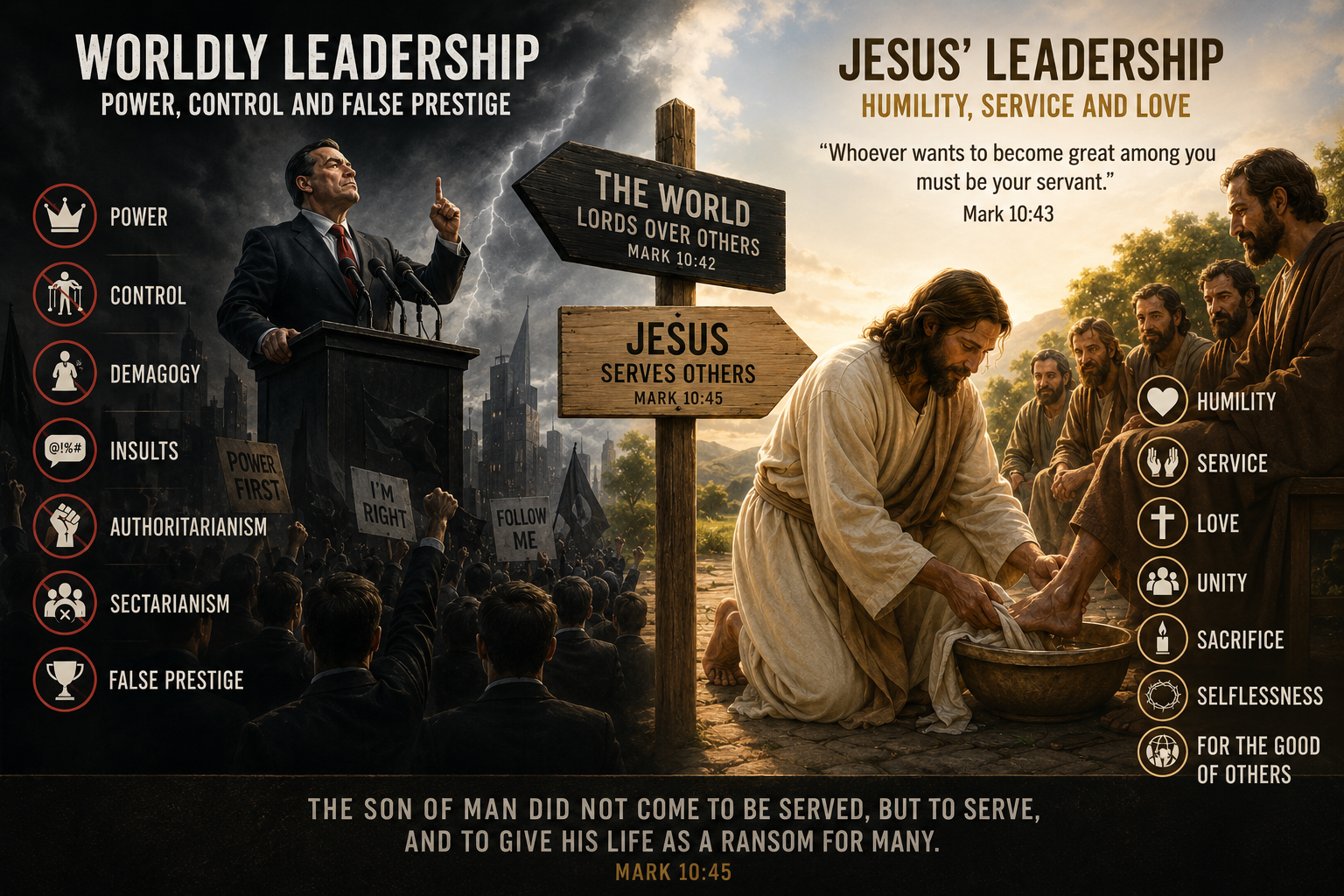
This article explores the biblical model of fatherhood and leadership in contrast to the distorted leadership often celebrated by contemporary culture. Drawing from the example of Jesus Christ and key biblical passages such as Mark 10:43–45, Ephesians 6:4, and Joshua 24:15, it argues that true leadership is rooted in humility, service, integrity, and sacrificial love rather than power, control, or self-promotion. The article emphasizes that a father's greatest influence comes not from his words but from his daily example, as children learn more from what they observe than from what they hear. Grounded in the principles of 24:15 Ministry, it highlights the home as the primary place of discipleship and challenges fathers to embrace their God-given responsibility to model authentic faith and to shape future generations through a life that reflects Christ.

Voices - Part 1
This article examines the fundamental importance of the father as a model of biblical leadership in the home within a culture that increasingly promotes values centered on individualism, ego, and self-gratification. In light of Joshua 24:15 and the principles of the 24:15 ministry, it argues that true transformation of families and generations begins when fathers reflect the character of Christ through a life of love, humility, integrity, service, and genuine faith. The article contrasts cultural models of leadership, often characterized by arrogance, pride, and emotional absence, with the biblical model of Jesus, who led by serving and sacrificing Himself for others. It also emphasizes that children learn primarily through observation, making fathers' active presence and daily example more impactful than any verbal instruction. In the face of a generation seeking identity and direction from celebrities, social media, and passing ideologies, the article affirms that fathers are called to embrace their spiritual responsibility as the primary disciplers of their children. Although perfection is not a requirement, faithfulness, humility, and a commitment to living an authentic faith are essential. Finally, it concludes that the most valuable legacy a father can leave is not material but spiritual and relational, raising children who love God, serve others, and continue to influence future generations for the glory of Christ.
Seven
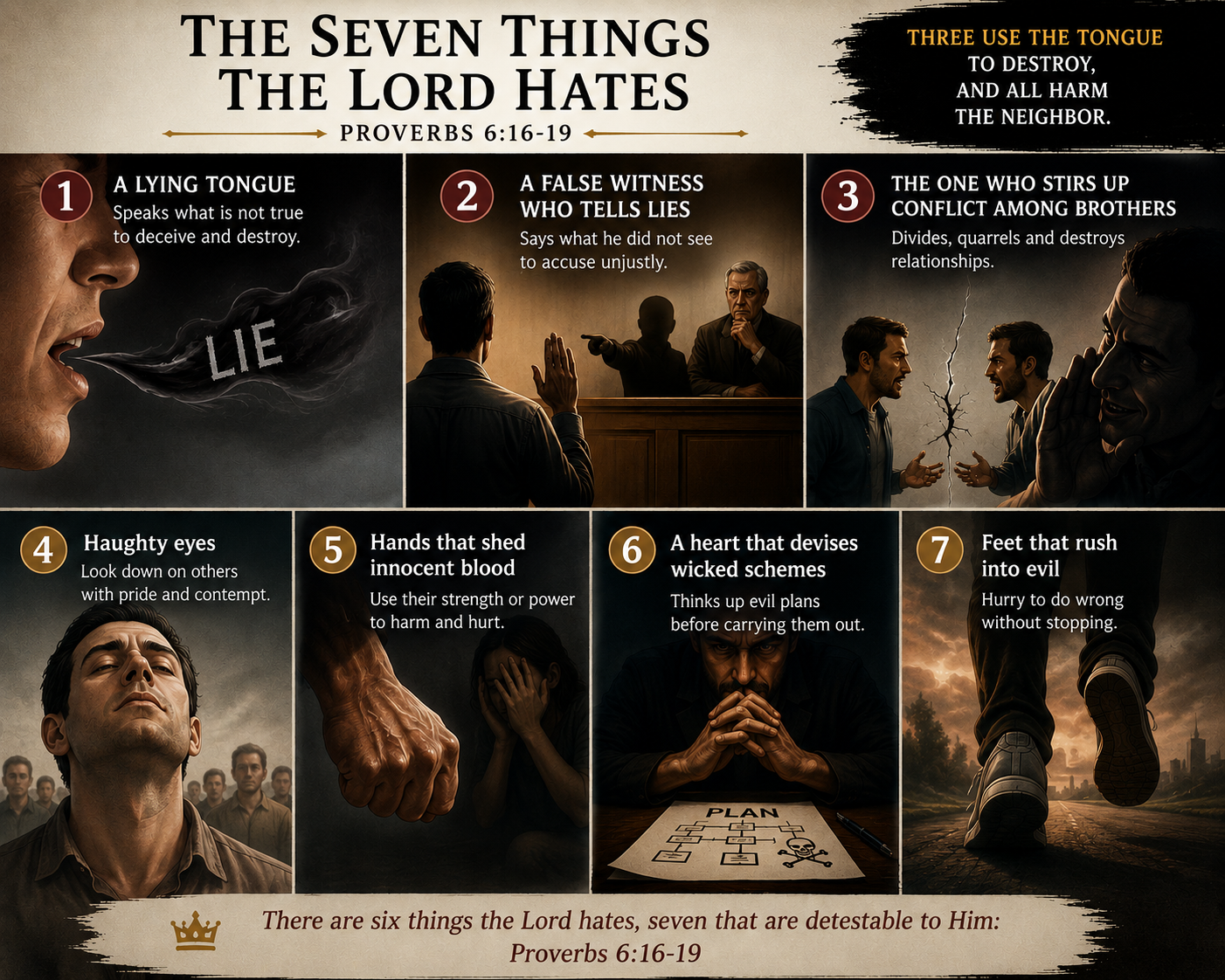
This article reflects on the spiritual and relational power of words within the home through the lens of Proverbs 6:16–19 and the principles of 24:15. The author emphasizes that God not only observes our actions, but also the intentions of the heart and the way we use our words to build up or tear down others. Through examples of pride, arrogance, flattery, and gossip, the article contrasts self-centered attitudes with the model of humility, service, and love demonstrated by Jesus Christ. From a Christ-centered perspective, families are called to cultivate conversations that encourage, restore, and strengthen relationships, rejecting every word that humiliates, divides, or manipulates. Ultimately, the article presents the home as the first place where the Gospel is lived out, reminding readers that the words spoken within a 24:15 family should reflect the character of Christ and model for future generations what authentic and transformative faith looks like.

Kindness
This article reflects on the transformative power of kindness through the lens of the 24:15 ministry principle: “As for me and my house, we will serve the Lord.” Using the well-known story of Mahatma Gandhi’s intentional act of generosity as a starting point, the article contrasts the biblical “Golden Rule” with today’s culture of self-centeredness, which it describes as the “Rule of Me.” It emphasizes that kindness is not merely an optional virtue but a visible expression of Christ-centered living, especially within the home. Drawing on biblical teachings and the example of Jesus Christ, the article presents kindness as a daily practice rooted in God’s character, one that shapes healthy families, strengthens relationships, and models faith through action. Ultimately, it calls believers to cultivate a culture of compassion, grace, truth, and intentional love within their homes so that future generations may both know and live out Christ's principles.

Endangered
The text encourages us to reflect on what might become extinct by 2050, focusing on the potential loss of kindness in the human heart alongside physical and cultural disappearances. It emphasizes the need for families to model the character of Christ at home in a world filled with information yet lacking action. Drawing from the Living 24:15 ministry, it challenges individuals to actively practice kindness as a fruit of the Spirit, stemming from a transformed heart rather than societal norms. Instead of worrying about the future, we are urged to create a spiritual legacy today where kindness thrives.

Doing What’s Right
This article emphasizes that raising children in the discipline and instruction of the Lord begins with the transformation of parents’ hearts and is lived out intentionally within the home. Rooted in Ephesians 6:4, it highlights that true upbringing goes beyond physical provision to include emotional and spiritual nurturing. Discipline, when grounded in love rather than anger, becomes a form of daily discipleship that shapes a child’s character and heart—not merely outward behavior. The ultimate goal is to form individuals who reflect Christ, guided by Scripture and developed holistically in physical, spiritual, character, and social dimensions. Parenting, therefore, is presented as a spiritual calling and lifelong commitment, where living out one’s faith creates a lasting, generational impact.
Fathers Who Provoke Their Children to Anger: Am I One of Them?
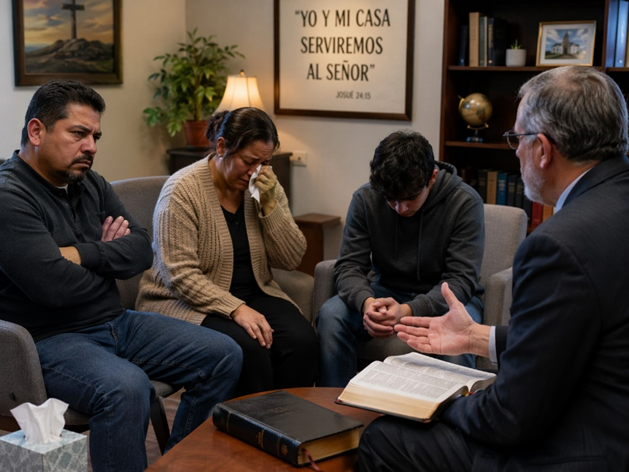
“Fathers Who Provoke Their Children to Anger: Am I One of Them?” invites a sincere and redemptive reflection on how a father’s attitudes, patterns, and heart posture shape the spiritual and emotional climate of the home. Rooted in Ephesians 6:4 and Colossians 3:21, and aligned with the vision of Living 24:15—eternal truths, real conversations—the article moves beyond surface-level advice to address the deeper call of discipleship in parenting, identifying attitudes such as pride, despair, control, and perfectionism as common sources of frustration in children. Rather than placing blame, it calls fathers to humility, self-examination, and intentional, grace-filled leadership, offering hope that as a father’s heart is transformed, the direction of the entire family can be renewed.

For Today, For Your Children, Forever!
For Today, For Your Children, Forever! presents Joshua 24:15 as a compelling call to build a Christ-centered home through intentional, daily faith, contrasting a culture of distraction and superficial spirituality with a life shaped by consistent devotion. Framing the home as the primary place of discipleship, it emphasizes the father’s role as the first spiritual shepherd, highlighting that authentic faith is cultivated through engagement with Scripture, continual prayer, and modeling the gospel in everyday life—since children are formed more by example than instruction alone. Without demanding perfection, the article encourages small, faithful choices that carry lasting generational impact, offering hope that any family, starting today, can pursue intentional direction and establish a legacy of enduring faith.